


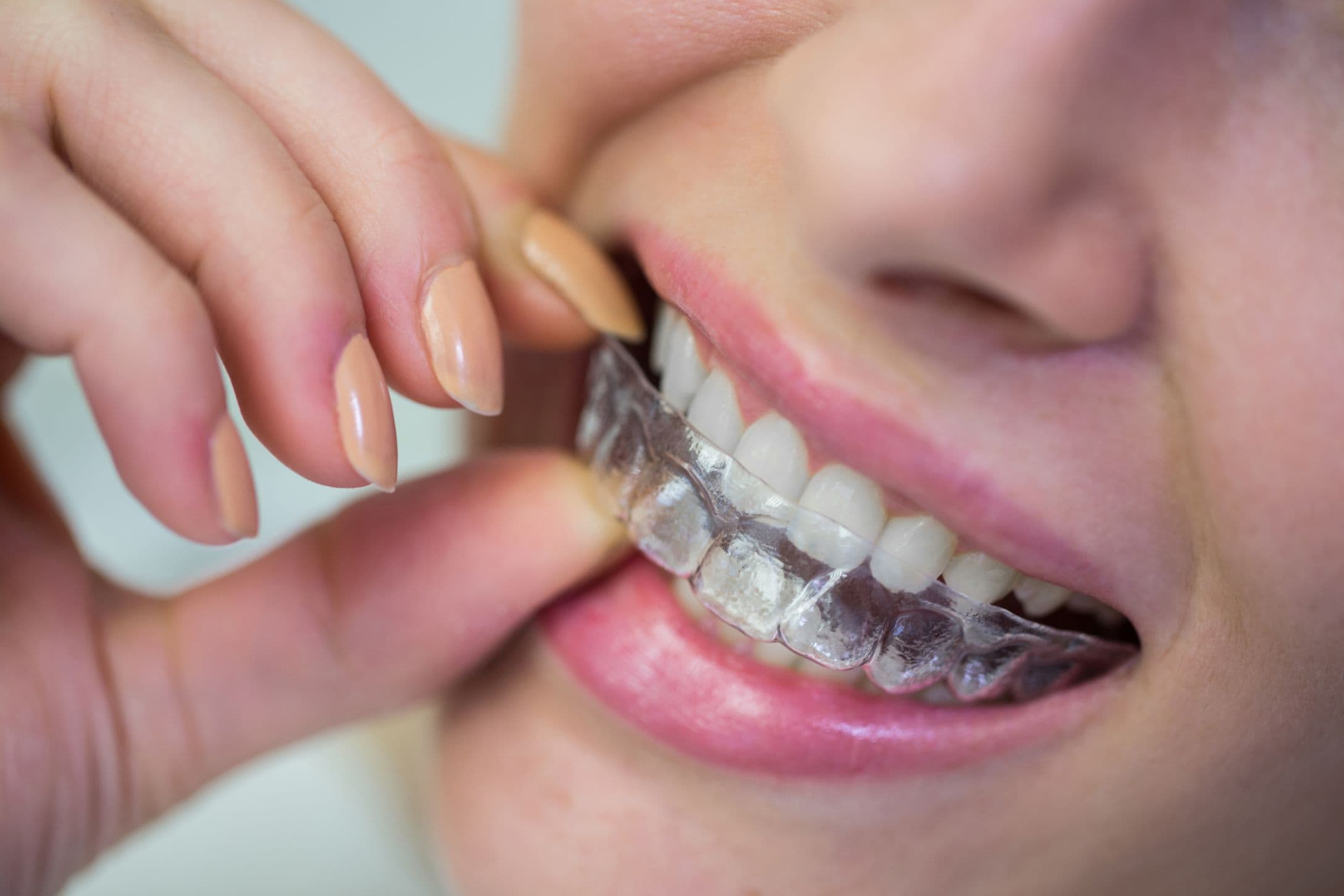
Clear Aligner Treatment in Brewton, AL: What to Expect
If you searched for Invisalign in Brewton, AL, you are after the same thing most of our patients want: straighter teeth without metal brackets. A quick note before we go further. Invisalign is the name most people know, but Harvey & Thomas Orthodontics treats clear aligner cases with Angel Aligners rather than Invisalign. It is the same approach — a digital scan, a 3D treatment plan, and a series of custom trays — planned and monitored by a board-certified orthodontist from the first appointment to the last retainer check. If you came here looking specifically for Invisalign, we would rather tell you that up front.
This guide explains how clear aligner treatment actually works, what it costs, who it suits, and how it compares to braces, so you can make a decision based on the treatment rather than the brand name.
How Clear Aligners Straighten Teeth
Clear aligners are custom-made, removable trays made from smooth, BPA-free medical-grade thermoplastic. Each tray applies gentle, controlled pressure that shifts teeth into position over time. For patients in Brewton, AL weighing their orthodontic options, aligners have changed how people think about care. Unlike braces, these nearly invisible trays fit snugly over your teeth and come out for eating, brushing, and special occasions.
The aligner material matters. It is engineered to hold a precise fit while staying comfortable against your gums and cheeks. Every tray is designed from a 3D digital scan that maps the exact movements your teeth need to make across the whole plan.
One common misconception is that aligners only fix minor crowding. That is not accurate. Modern aligner systems handle everything from mild spacing to more involved bite corrections. Crowding, gaps, overbites, underbites, and crossbites can all be treated with aligners when the plan is built by an experienced orthodontist.
That last part is the difference-maker. Aligners are tools. The results come from the orthodontist designing the tooth movements, sequencing them correctly, and adjusting when something is not tracking. A board-certified orthodontist with real aligner experience will get you a better outcome than the same trays planned by someone doing it occasionally.
Angel Aligners vs. Invisalign: What Actually Differs
Invisalign is the most recognized name in clear aligners, which is why most people search for it by brand. Angel Aligners is a different manufacturer using the same core approach: digital scanning, 3D treatment planning, and a sequence of custom trays worn in order.
The practical differences for a patient are small. Both use medical-grade clear plastic. Both require the same daily wear. Both are planned digitally and monitored in person. What changes your result is the diagnosis and the plan behind the trays, not the logo on the box. We chose the system we believe gives our patients predictable movement and good value, and we are happy to walk you through that reasoning at your consult.
How Clear Aligner Treatment Works: The Step-by-Step Process
Knowing what each appointment involves, and how retainers wrap things up, helps you understand exactly what you are signing up for.
The Initial Consultation
Your care starts with a thorough evaluation. We examine your teeth, bite, and jaw alignment to determine whether clear aligners are the right choice for your situation. If you are a good candidate, we take digital impressions with an intraoral scanner. The handheld scanner captures thousands of images in minutes and builds a precise 3D model without the mess of putty impressions.
The scan is quick and comfortable, and you will see a 3D image of your teeth on screen almost immediately.
Your Custom Digital Treatment Plan
Using that scan, we build your digital treatment plan. The software maps every stage of tooth movement across the whole case, and you will see a simulation of how your teeth will shift and what your smile should look like at the end.
This is not guesswork. It is precise digital planning that shows projected results before you commit. Knowing what to expect before the first aligner goes in gives you confidence in the direction we are heading.
Receiving Your Aligners
Once your custom aligners arrive, you will pick up your first set of trays. Each aligner is worn for one to two weeks before you switch to the next in the series. Success depends on wearing them 20 to 22 hours every day. They only work when they are in your mouth.
You will take them out to eat, to drink anything other than water, and to brush. That is it. The rest of the time, they stay in.
Progress Check-Ups
Braces need adjustments about every four weeks. Aligner patients typically come in every six to eight weeks, and those visits are usually quick. We check that your teeth are tracking correctly and hand off your next sets of trays.
If something is not progressing as planned, we can adjust. Digital planning allows for that flexibility, and your orthodontic team watches your progress closely at every visit.
After Your Final Aligner
When you finish the series, care is not quite done. Retainers are essential. Teeth have memory and will drift back toward their original positions without retention.
We fit your retainers and give you specific instructions on how often to wear them. Most patients move from full-time wear to nighttime-only over several months.
For most adults, clear aligner treatment takes 12 to 18 months. Some cases finish sooner, and more involved situations take longer. Your timeline depends on how much movement is needed and how consistently you wear your trays.
Key Benefits of Choosing Clear Aligners
People choose aligners for a lot of reasons, and the benefits go past appearance.
Nearly Invisible Appearance
Clear plastic is hard to notice in normal conversation. Adults in professional settings, teens who feel self-conscious, and anyone who wants straighter teeth without advertising the process all benefit from that discretion. You can smile in photos, present at work, and go about your day without brackets and wires changing how you look.
Removability for Eating and Oral Hygiene
With braces, you get a list of foods to avoid. Popcorn, hard candy, chewy caramels, corn on the cob. Aligners remove those restrictions. Take out your trays, eat what you want, brush and floss normally, then put them back in.
Hygiene is easier too. You can brush and floss without working around brackets and wires, which lowers your risk of cavities and gum problems during treatment.
Fewer Emergency Visits
Broken brackets and poking wires are common reasons braces patients need unscheduled appointments. Aligners eliminate most of those emergencies. No metal parts means nothing to break or poke, and a lost or damaged tray can usually be replaced quickly.
Day-to-Day Comfort
Smooth plastic edges are gentler on cheeks and gums than metal brackets and wires. Any orthodontic care involves pressure as teeth move, but many patients find aligners more comfortable overall. No orthodontic wax required.
Predictable, Visualized Results
Your digital plan shows the expected outcome before you start. Seeing the projected result mapped out in advance helps you understand what is realistic. You are not hoping for a good result, you are looking at one that has been planned tooth by tooth.
According to the American Association of Orthodontists, clear aligners have become one of the most requested orthodontic options among adults who want an aesthetic alternative to braces.
Clear Aligners vs. Braces: Which Option Is Right for You?
Both straighten teeth effectively. The right choice depends on your needs, your lifestyle, and how complex your case is. A board-certified orthodontist can evaluate your situation and recommend the approach that will actually get you there.
| Factor | Clear Aligners | Braces |
|---|---|---|
| Appearance | Nearly invisible clear plastic | Metal or ceramic brackets with wires |
| Removability | Fully removable for eating and cleaning | Stays in place for entire duration |
| Comfort | Smooth plastic, minimal irritation | May cause cheek and gum irritation |
| Dietary Restrictions | None (remove aligners to eat) | Many foods to avoid |
| Typical Duration | Often 12-18 months | Often 18-24 months |
| Best For | Mild to moderate cases, patient compliance | Complex cases, severe malocclusions |
Aesthetics: A Side-by-Side Look
For a lot of adults and teens, appearance drives the decision. Clear trays are far less noticeable than metal brackets. Ceramic braces are less visible than metal but still more apparent than aligners. If keeping a low profile during treatment matters to you, aligners have the edge.
Comfort Differences in Daily Wear
Smooth plastic tends to cause less irritation than brackets and wires. Both approaches move teeth, and moving teeth creates some discomfort. But no metal rubbing against soft tissue makes a real difference for many patients, especially in the first few weeks.
Timeline Comparison
In many cases aligners finish sooner than braces, though timelines vary with case complexity and compliance. If you are not wearing your trays the required 20 to 22 hours a day, your timeline stretches. Consistency is the single biggest factor you control.
When Braces May Be the Better Choice
Here is where we need to be honest. Severe skeletal discrepancies, significant bite problems, or teeth that need substantial rotation may still call for braces. Some cases require the precise control that brackets and wires provide. Your orthodontist can evaluate your situation and recommend the most effective approach.
Metal braces, ceramic braces, and clear aligners are all effective tools. The recommendation should come down to what gives you the best result for your specific case.
How Much Do Clear Aligners Cost in Brewton, AL?
Clear aligner treatment generally runs between $3,000 and $8,000 nationally. Pricing depends on case complexity, how long you will be in trays, geography, and provider experience. That is a wide range, so here is what drives your specific number.
Case Complexity
Simple spacing or minor crowding needs fewer trays and less time than a complex bite correction. More trays and a longer timeline mean higher fees.
Treatment Duration
A 10-month plan costs less than an 18-month plan. The number of trays needed drives the fee directly.
Geographic Location
Orthodontic fees vary by region. In Brewton, AL and the surrounding area, pricing may differ from larger metro markets, where higher overhead usually shows up in the fee.
Provider Experience
Board-certified orthodontists with extensive aligner experience may charge differently than general dentists offering aligners as a side service. That difference often pays for itself through better results and fewer complications.
Does Insurance Cover Clear Aligners?
Good news here. Many dental plans cover clear aligners the same way they cover braces. If your plan includes orthodontic benefits, those benefits typically apply to aligner treatment. Check with your insurance carrier to confirm your specific coverage.
Making Orthodontic Care More Affordable
Orthodontic care is a real investment, which is why flexible payment options and financing exist. Many patients spread the fee over low monthly payments that fit their budget, and a payment calculator can help you estimate before you commit.
The only way to get your actual number is a free consult. We evaluate your case, walk through your options, and give you a personalized estimate with no surprises later.
Are You a Good Candidate for Clear Aligners?
Good candidates are teens and adults with mild to moderate orthodontic issues who can commit to wearing trays 20 to 22 hours a day. Aligners treat crowding, spacing, overbites, underbites, crossbites, and open bites effectively, and a clinical evaluation by a board-certified orthodontist confirms whether they are the right fit for your case.
Conditions Clear Aligners Treat Effectively
- Crowding: Teeth overlapping or positioned too close together
- Spacing: Gaps between teeth
- Overbite: Upper teeth extending too far over lower teeth
- Underbite: Lower teeth sitting in front of upper teeth
- Crossbite: Upper and lower teeth not aligning properly when biting down
- Open bite: Upper and lower teeth not meeting when the mouth is closed
Who Does Best with Aligners?
Aligners work best for teens and adults who can commit to 20 to 22 hours of daily wear. Compliance is everything. Trays only move teeth when they are in your mouth. If you frequently forget them or leave them out for long stretches, your treatment will stall.
For teen patients, we set clear expectations at the start and track wear at every check-up so small compliance problems get caught early instead of at the end.
When Braces Are a Better Option
Severe skeletal jaw discrepancies, extremely rotated teeth, or cases needing precise torque control may respond better to braces. Very young patients who are not ready for the responsibility of removable trays may also do better in braces. Every mouth is different, and the right approach depends on what your orthodontist sees during your evaluation.
How Can You Find Out If Clear Aligners Are Right for You?
Only a clinical evaluation can answer that. We examine your teeth, take diagnostic records, and assess your bite before making a recommendation. For patients in and around Brewton, Alabama, a board-certified orthodontist will tell you honestly whether aligners will get you the result you want. Schedule a free consult to find out.
Frequently Asked Questions
Do You Offer Invisalign?
Not at our practice. Harvey & Thomas Orthodontics treats clear aligner cases with Angel Aligners instead. Both are clear aligner systems built on the same approach: a digital scan, a 3D treatment plan, and a series of custom trays. Your results depend far more on the orthodontist planning the case than on which brand of tray you wear.
Do Clear Aligners Take Longer Than Braces?
For most cases, aligners finish in a similar or shorter timeframe. Typical aligner treatment runs 12 to 18 months, while braces often take 18 to 24 months. The variable is compliance. Wear your trays 20 to 22 hours a day and your timeline stays on track.
Do Clear Aligners Cost More Than Braces?
Pricing is usually similar for comparable cases. The national range for clear aligner treatment runs roughly $3,000 to $8,000 based on general industry estimates, which overlaps heavily with braces. Your actual number depends on complexity, duration, and your specific needs. Many insurance plans cover aligners the same way they cover braces, and low monthly payment options keep care accessible for most budgets.
Can You Eat and Drink with Aligners In?
Take your trays out before eating, every time. Plain water is fine with them in, but everything else should be consumed with trays out. Hot drinks warp the plastic, and coffee or red wine stains it. Eating with trays in risks damage and traps food against your teeth. The routine is simple: remove, eat, brush, replace.
What Happens After Your Last Aligner?
You transition to retainers. Without retention, teeth gradually drift back toward their original positions. Most patients wear retainers full-time at first, then move to nighttime only. We give you specific instructions based on your case. Retainer compliance is what protects the result you paid for.
Are Clear Aligners Uncomfortable?
Any treatment that moves teeth creates pressure. Most patients describe it as tightness rather than pain, especially in the first day or two after switching trays. Compared to braces, many find aligners easier to tolerate because there are no brackets or wires irritating cheeks and gums. Over-the-counter pain relief handles the occasional sore day.